
Food is life. But not everyone in our community has the food they need. Together, we can change that—and it starts with understanding some important truths about hunger. Learn more about hunger in our region by reading CAFB's annual Hunger Reports
Hunger In Our Region
More than a million people in our region are food insecure.
A growing number are experiencing the most severe levels of food insecurity.
Who needs help?
Hunger doesn’t discriminate. There are people in every neighborhood struggling to put food on the table. In our region alone, nearly 1.5 million men, women, and children of every age, race, and religion live with the difficult realities of food insecurity.
Making an invisible problem more visible
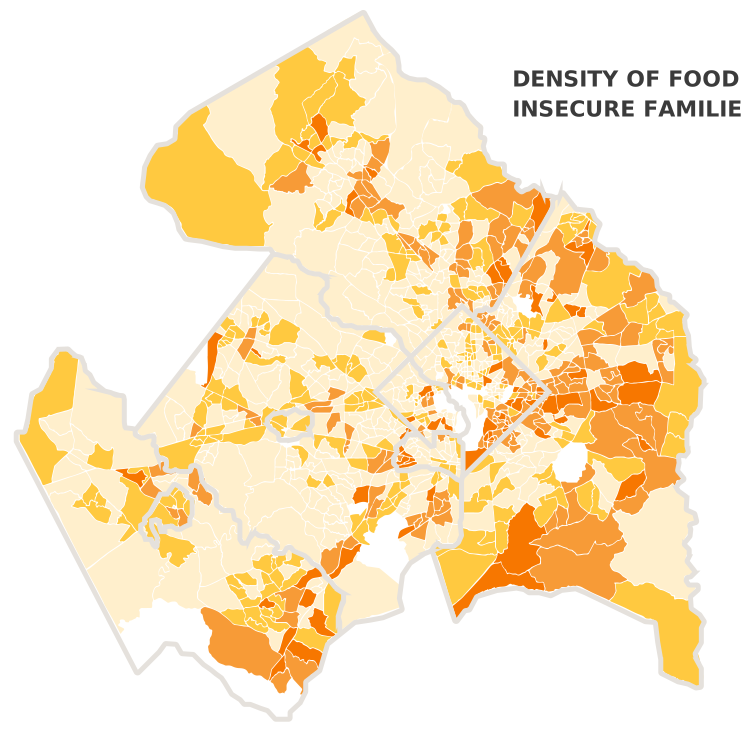
Hunger is hard to see. But our Hunger Heat Map reveals the breadth of the problem—and lets us know where help is most needed.
Explore the Heat MapThe numbers are large. The stories are personal.
What does a region with nearly 1.5 million people experiencing food insecurity look like? It looks like the place we call home. People who are struggling with hunger live in the apartments and houses we pass by, ride the Metro beside us, and work in the businesses we frequent.
One of the hard facts about hunger is that it’s much more widespread than many people realize. In every county in our region, over one in three people faced challenges getting enough to eat in 2025, and in some counties, as many as half of residents experienced food insecurity.
Food insecurity is difficult to escape, because when budgets are tight, food is often the first thing that’s cut. That’s why single parents holding down two and three jobs to make ends meet, workers living paycheck to paycheck who experience a sudden job loss, college students working their way through school, and seniors on fixed incomes are all among the people who have to make the choice between food and expenses like housing and medicine.
How hunger hurts
Our partnership with the Capital Area Food Bank strengthens our work. Nutritious meals are central to our programs being safe, welcoming spaces where children are cared for.



Hunger is Here
Over 1 in 3 of our neighbors across the region experience food insecurity.
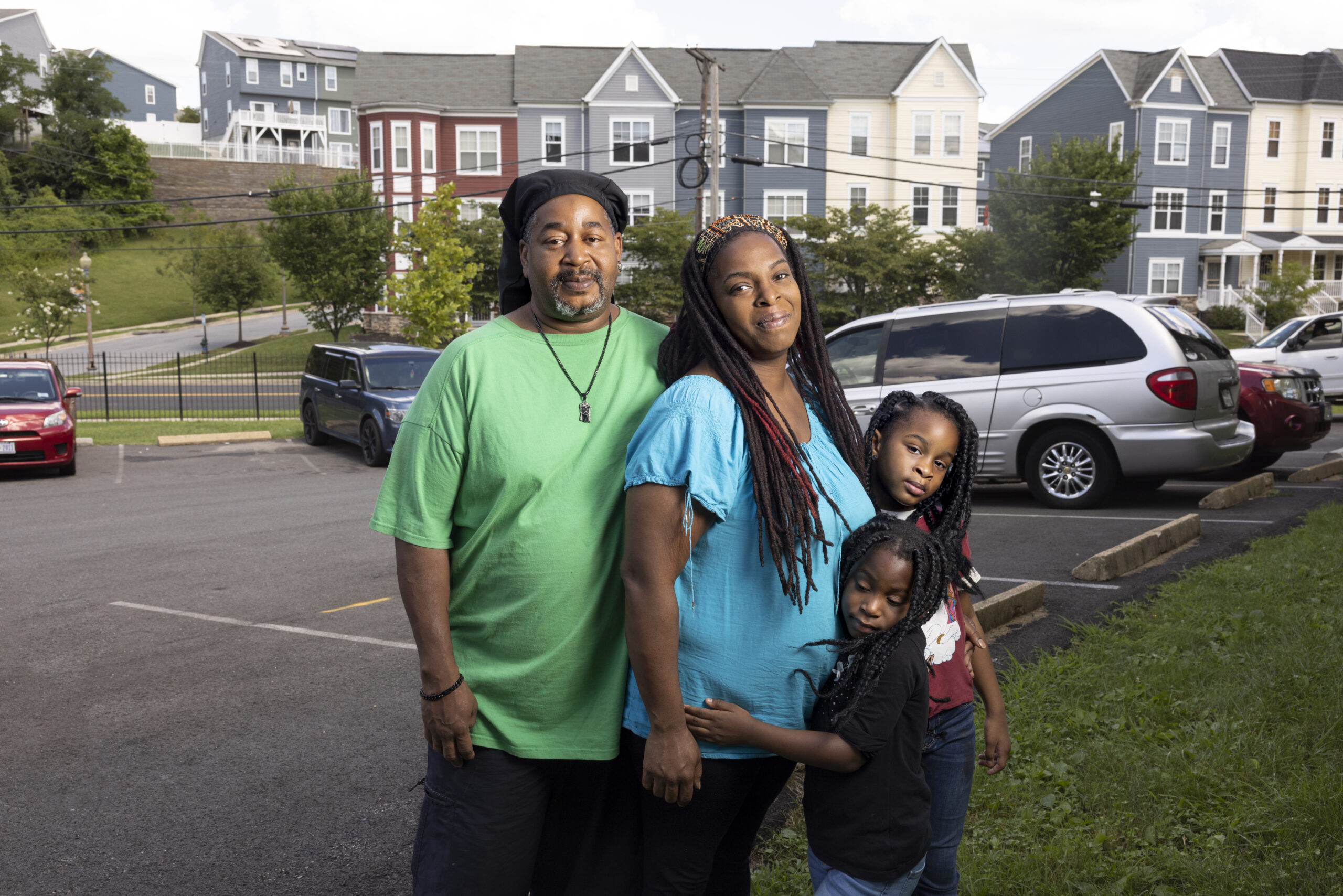
Shauna
If it wasn’t for the food banks, I know that my children may not have had the proper nutrition that they need.Read Story

Estella
It’s one of the most expensive areas, so you would not think that someone in this house next door to me has no food to eat or not enough.Read Story
What we’re doing to help

Hunger and food insecurity in our region is a big problem. Together with our community, we’re also working towards big solutions.
Ready to make a difference for your neighbors?
Hunger is a problem we can solve. And there’s a role for all of us to play. We depend on the generosity of people like you to provide food across our region. Every unrestricted dollar you donate can help us provide 2 meals.
Donate