

DC seniors experience one of the highest rates of food insecurity in the country. But through collaboration across sectors, organizations are working to ensure seniors can access the nutritious food and supportive services they need to thrive.
As part of Older Americans Month, the Capital Area Food Bank convened leaders and community members for the 2026 Senior Hunger Conference, centered around the theme, “Turning Insights Into Action.” Discussions throughout the day focused on the challenges seniors are facing right now, the impacts of changing policies and rising costs, and the importance of collaborating on coordinated solutions.

A few key takeaways from the conference:
Policy changes will have widespread impacts
T.A. Hawks, Partner at Monument Advocacy, and LaMonika Jones, director of DC Hunger Solutions, discussed how the changes to SNAP and Medicaid in the HR 1 legislation approved by Congress last summer will have widespread impacts on seniors, particularly those who rely on these programs to meet basic needs.
New SNAP work requirements now include previously exempt individuals ages 55-64. They also include veterans, individuals experiencing homelessness, refugees and asylum seekers, and some caregivers supporting dependents. For many seniors, these changes come at a time when fixed incomes and rising costs already make it difficult to consistently afford food and healthcare.
The result will be greater barriers to accessing nutrition assistance, reinforcing the importance of community-based connections that help seniors stay enrolled in and connected to benefits.
Rising costs continue to strain seniors financially
Data from the 2025 Hunger Report underscored the ongoing financial strain facing many food insecure seniors.
The report found that 83% of food insecure seniors are using savings to cover basic needs such as housing and utilities, while nearly two-thirds rely on charitable food assistance each month.
The findings also highlighted the strong connection between food insecurity and health outcomes, with more than half of food insecure seniors reporting high blood pressure or hypertension.
Sabrina Tadele, Senior Director of Strategic initiatives at Capital Area Food Bank, emphasized that rising costs for groceries, healthcare, housing, and utilities make it difficult for seniors to meet their basic needs.
Seniors shared firsthand realities behind the data
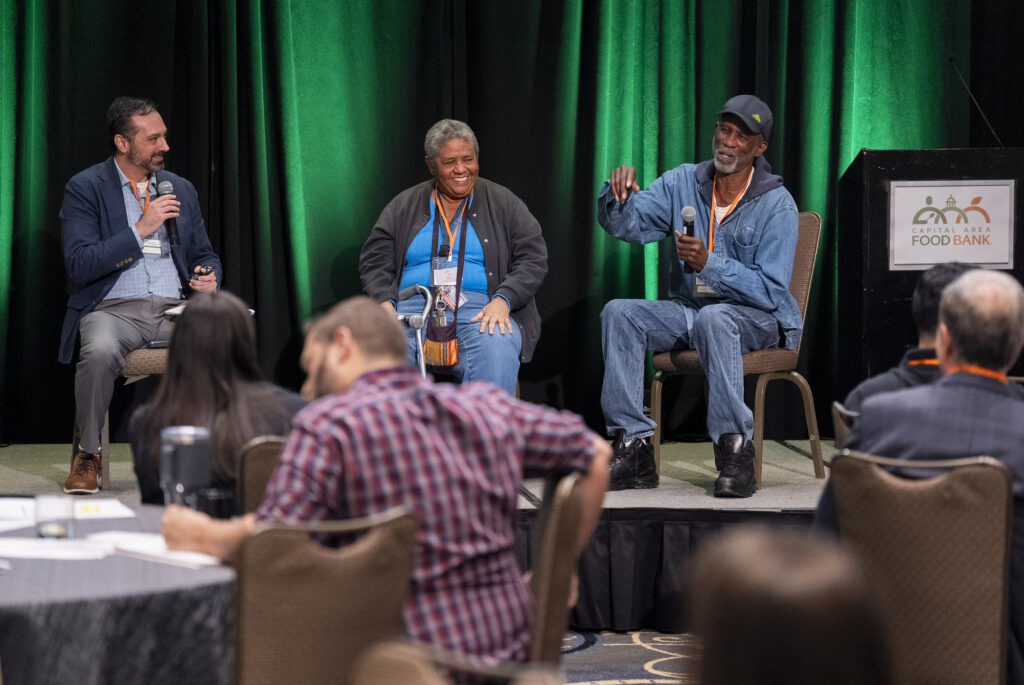
Community advocate Yvonne Smith and Capital Area Food Bank Client Leadership Council member LeNard Short spoke about how their monthly SNAP benefits are now around $30, which is not enough to cover basic grocery needs. Both described how this level of support makes it difficult to consistently afford adequate food, especially alongside rising costs for other essentials.
Yvonne described the difficulty of balancing transportation costs, utility bills, and food expenses while also navigating complex and sometimes confusing systems for accessing support. She emphasized the importance of clearer outreach and more coordinated pathways to services.
LeNard shared how he relies on multiple food assistance programs throughout the month to meet his needs and often uses extra food to support neighbors in his community.
Their perspectives reinforced that food insecurity among older adults is closely tied to broader challenges including healthcare access, transportation, and financial stability.
Collaboration remains central to addressing senior hunger
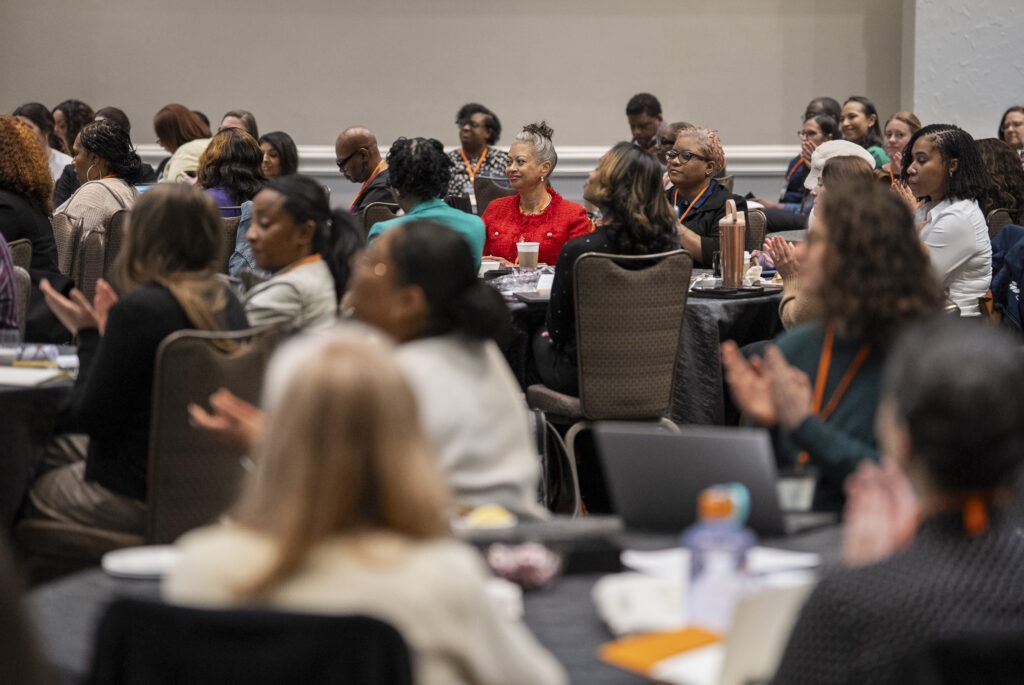
Across every panel and discussion, speakers emphasized that no single organization can address senior hunger alone.
The conference highlighted the importance of partnerships between food assistance organizations, healthcare providers, government agencies, philanthropy groups and community advocates working toward shared solutions for older adults.
A leadership dialogue with leaders from The Washington Home, DC Department of Aging and Community Living, DC Primary Care Association and the Capital Area Food Bank emphasized the connection between nutritious food, improved health outcomes and quality of life for seniors.
Programs like home delivery initiatives and community dining sites were highlighted as examples of how collaborative models can help seniors access food and supportive services in ways that meet their needs.
A special thank you to The Washington Home for their continued partnership and support in making the conference possible.
Photo Credit: Carolyn Van Houten for Capital Area Food Bank