
When Megan Rowley first arrived at Joint Base Anacostia-Bolling (JBAB) in late 2021, she wasn’t planning to start a food pantry.
Like many military spouses, she was adjusting to a new community. But over time, something began to stand out. On neighborhood Facebook pages, families were connecting to share food resources. Those preparing to move off base began sharing food they couldn’t take with neighbors, and people were quick to claim what was available in a way that surprised Megan. Then one anonymous post made everything click. A neighbor asked for advice while trying to apply for SNAP benefits.
For Megan, that moment made her realize that food insecurity could be affecting her community in a broader way than she envisioned. “I started to realize this wasn’t just one family,” she shared. “This was something bigger happening across our community.”
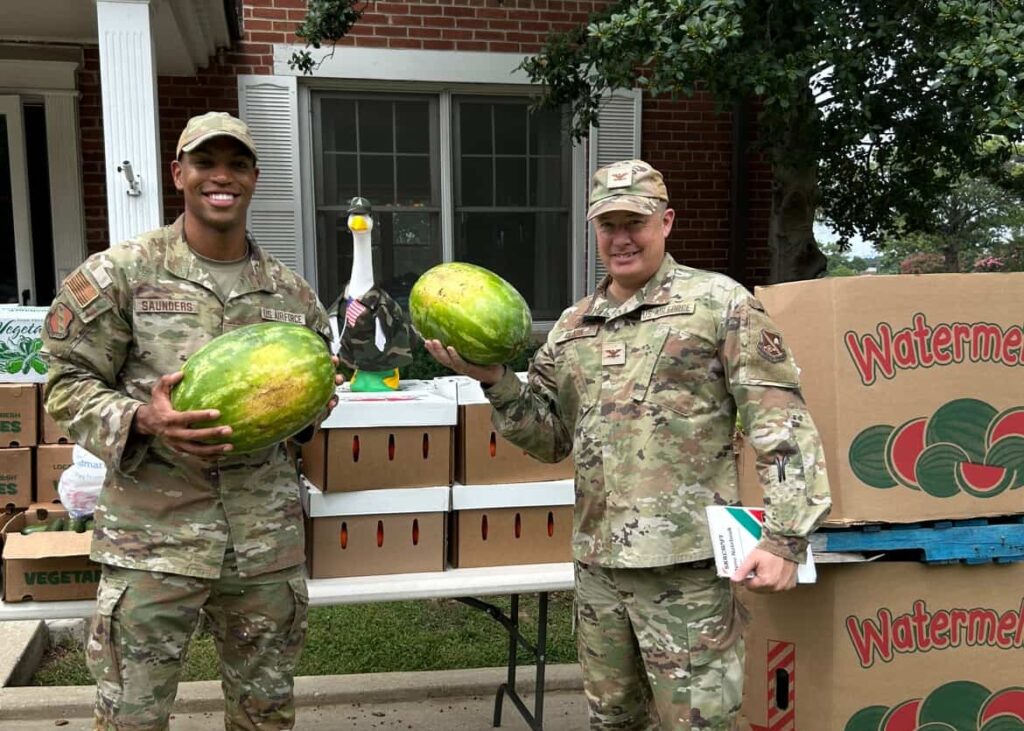
At first, Megan stepped in however she could, connecting neighbors with extra food to those who needed it, coordinating pickups, even delivering groceries herself. What started as informal support quickly revealed a gap. There was no consistent, on-base resource for families facing food insecurity.
Military families and veterans can be uniquely affected by food insecurity. Frequent moves, limited employment opportunities for spouses, and the rising cost of living all create challenges. At the same time, stigma can make it harder to ask for help.
Megan began advocating for something more permanent, a food pantry located directly on base.
Through persistent outreach to base leadership and the Military Family Readiness Center, Megan helped push the idea forward. At the same time, she began exploring how partnerships could support the effort, eventually connecting with the Capital Area Food Bank after seeing the food bank’s mobile market at Ft. Belvoir.
That partnership became a turning point.
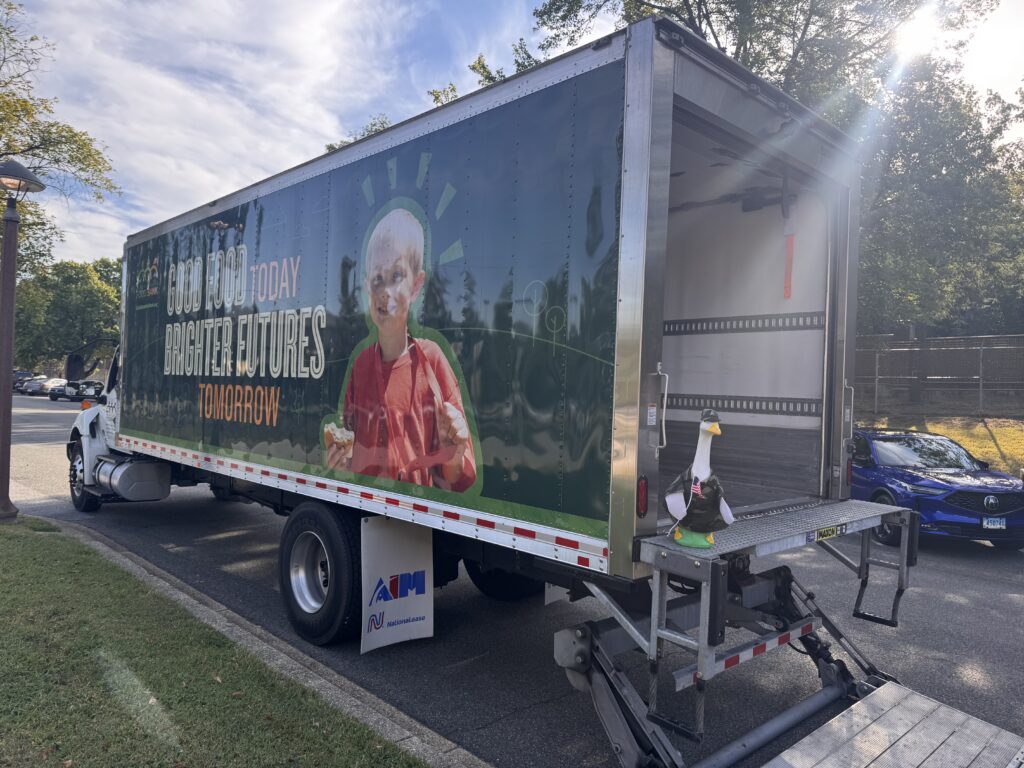
CAFB now provides some of the shelf-stable items needed to stock the pantry. In addition, the food bank brings a free Mobile Market to JBAB monthly, which offers fresh produce and other perishable items that the pantry can’t regularly store.
Together, these resources create a more complete system of support.
The pantry may have started with one person’s advocacy, but it runs on community.
“This doesn’t happen in a silo,” Megan said.
The operation is entirely volunteer run, with military spouses at the heart of it. From stocking shelves and coordinating donations to managing outreach and social media, volunteers keep the pantry running day to day.
That includes creative solutions to protect privacy and reduce stigma. An adorable porch goose mascot who often stands in for photos became known as Pantry Pete.
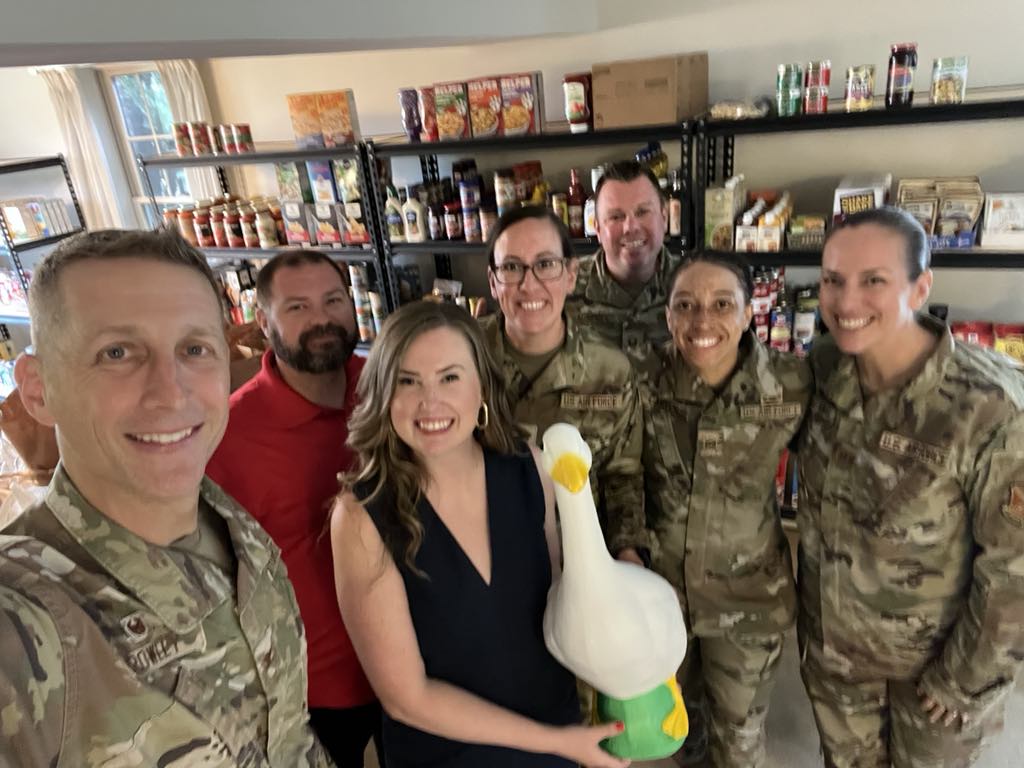
It’s a small detail, but one that reflects a larger priority, making the space feel safe, welcoming, and judgment-free.
When the pantry first opened, participation was slow, but increased during the government shutdown last fall. Families facing uncertainty around paychecks began turning to the pantry, and in doing so, helped normalize its use. What many realized is that food assistance isn’t just for moments of crisis. It’s a resource that can help to stabilize a household before things reach that point.
“That gave people permission to walk through the door,” Megan shared.
Since then, the pantry and Mobile Market have become steady, trusted resources for JBAB families.
JBAB is one example of how partnerships can expand access to food in military communities.
In addition to JBAB, the Capital Area Food Bank partners with organizations and installations across the region, including Soldier’s Angels, Fort Belvoir, and the VA Medical Center, to help provide service members, veterans, and their families consistent access to nutritious food.
Programs like these are one way we work to bridge the gap and ensure we can support those who serve.