
At the Capital Area Food Bank, we’re deeply invested in helping the people we serve gain access to the food they need today while also empowering them to build paths out of food insecurity in the long term. Advocating for programs and policies that reduce hunger and poverty is an essential part of that work.
And when congressional and state legislative sessions are underway, that means heading to the government buildings where policy decisions are being made.
To make the case on why policies that support food access matter, our Advocacy team works closely with our Client Leadership Council – a training program that prepares individuals who have experienced food insecurity to advocate by sharing their stories.
Last month, Advocacy staffers and CLC members traveled to Richmond, Va., to meet with state lawmakers and speak about proposals to expand universal school breakfast. When kids have access to nutritious meals in the morning, they are better able to learn and grow. Increasing school meal access helps ensure more students start their day ready to succeed.
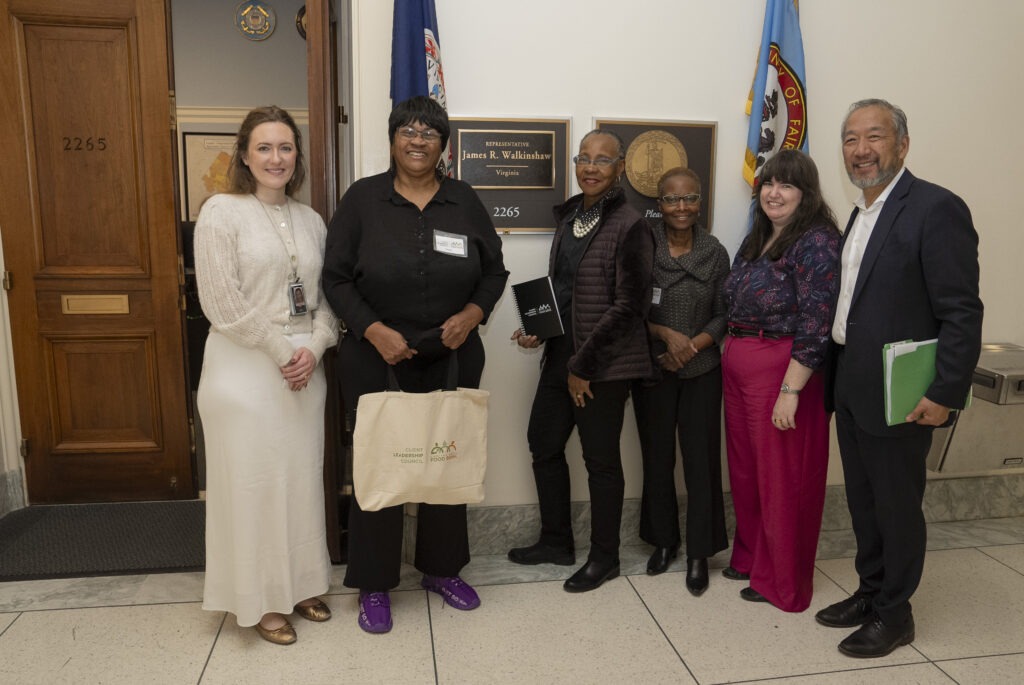
This week, that group brought their perspectives to Capitol Hill as part of an advocacy event with Feeding America food banks from across the country. Nearly 300 food bank staffers, community partners, and neighbor advocates representing more than 140 organizations gathered to meet with congressional offices and share a unified message about the importance of food banks and federal nutrition programs.
For our team, the experience carries a unique perspective. Capitol Hill is in our backyard, and it creates opportunities to bring community members into these conversations so that policymakers can hear directly from the people affected by their decisions.
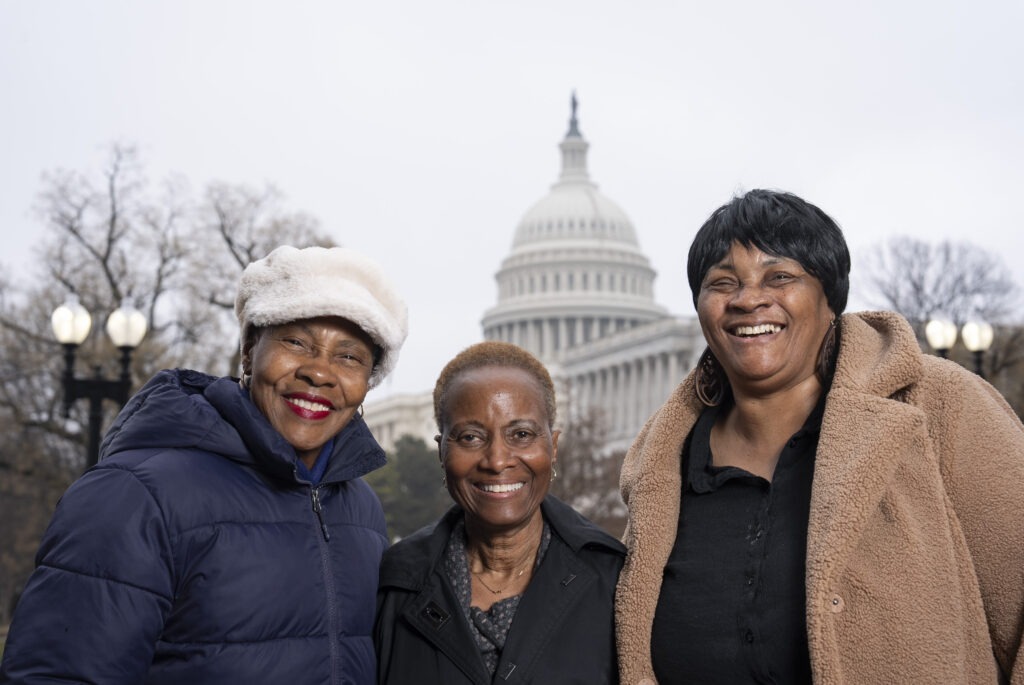
Denise Palmer, a senior who lives in Prince George’s County, Md., attended to advocate on behalf of residents in her senior housing community. Many of her neighbors live on fixed incomes and struggle to afford groceries that support their health.
Although Denise has lived in the DMV her entire life, the meetings with congressional offices representing DC, suburban Maryland and Northern Virginia were her first time inside the congressional buildings.
“It’s important because we are visibly making our presence known and at the same time we’re telling everyone about the need,” Denise said. “They get to see the faces behind the voices, and it makes a greater impact.”
Melissa Jensen, the Food Bank’s Senior Manager of Advocacy and Public Policy, said moments like this show just how powerful community voices can be.
“It’s always inspiring to work with our Client Leadership Council members,” Melissa said. “They’re often nervous since they haven’t been in rooms like this before but then become so confident as they share their stories. They express such vulnerability and have no trouble speaking truth to power.”
Each year, the Capital Area Food Bank develops advocacy priorities that guide our work to advance policies that strengthen food access and support the well-being of the communities we serve across DC, Maryland, and Virginia.
Learn more about the policies we are supporting by exploring our 2026 advocacy agendas here.