

Before digging into their meals, the students at Jubilee Housing’s afterschool program pause for a quick moment together.
“Thank you for the food before us, the friends beside us, and the love between us,” they recite in unison.
It’s a short motto that the children repeat each day before dinner is served. Then the room quickly fills with chatter as they settle in to find out what’s on the plate.
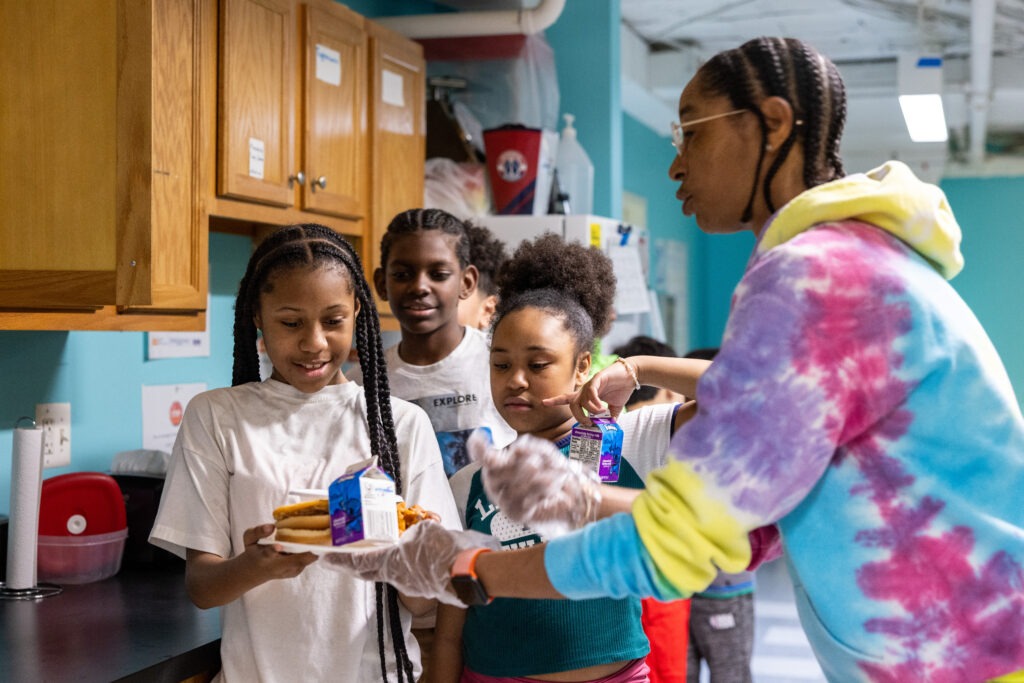
On a recent afternoon, the menu included chicken sandwiches on whole wheat buns, sweet potatoes, and mandarin oranges — a meal designed to include key nutrients that kids need to grow and stay energized. After a full day in the classroom, the kids are cheerful and eager to eat . And that food helps power everything that comes next.
Jubilee Housing provides affordable housing for families across Washington, DC, but their work goes beyond housing alone. At its location in Northwest DC, the team provides a broad range of resources to support families and children so they can grow and thrive – including serving as one of the Capital Area Food Bank’s 41 afterschool meals sites. Last school year, the sites served 173,004 meals through the USDA’s Child and Adult Care Food Program.
Eduardo Herrera Diaz, program manager at Jubilee, sees how having consistent access to snacks and dinners through the program makes a meaningful difference to the students they serve.
“They know they can come here, eat, and focus on their studies,” he says. “They don’t need to think about what they’re going to eat later.”
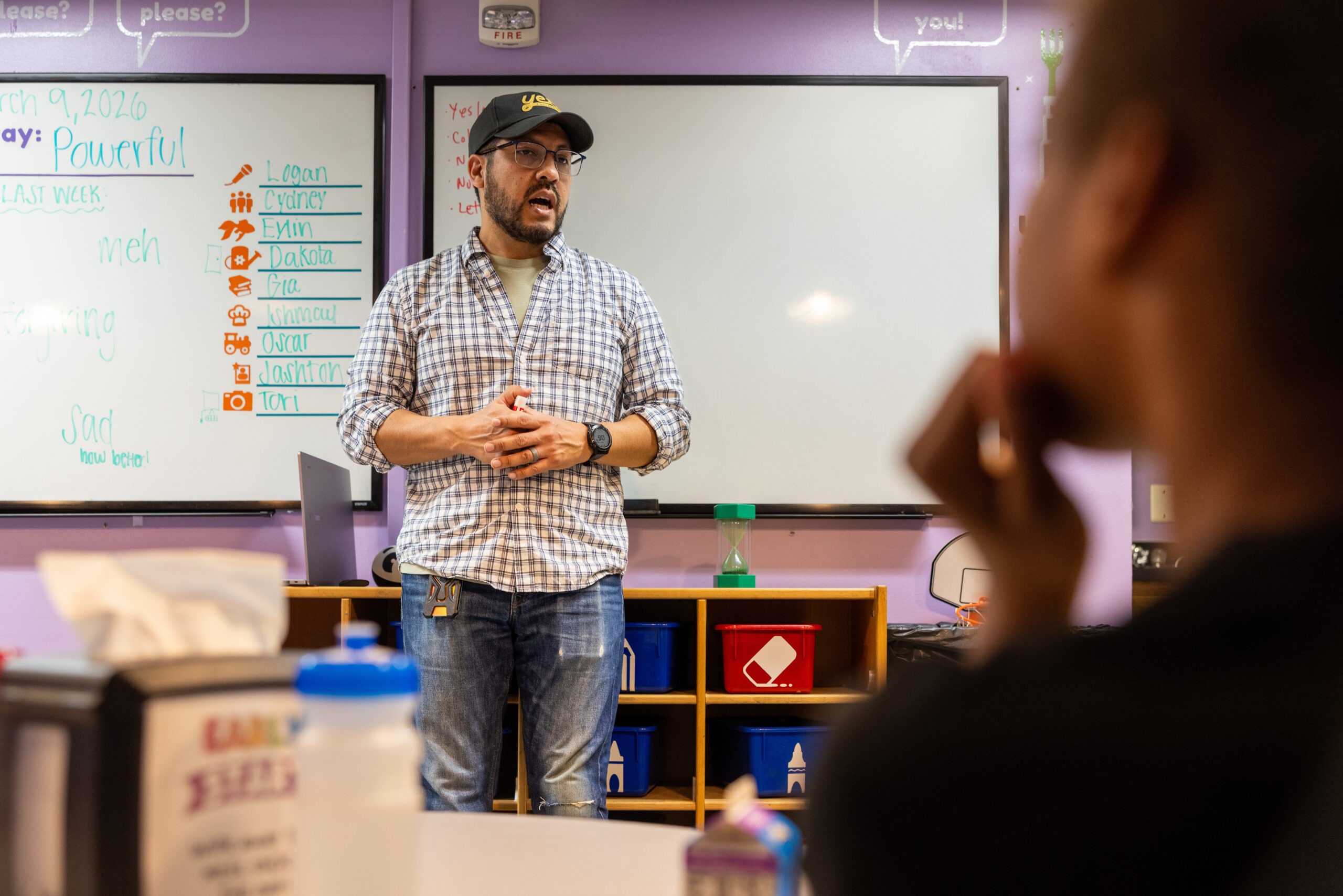
The afterschool hours at Jubilee are filled with activity. The Early Start program serves students in kindergarten through third grade, while Activity Zone supports fourth through sixth graders. Together, the programs offer a space where kids can learn, play, and spend time with friends in a safe and supportive environment.
Each day includes a mix of academic support and enrichment. Students might practice reading or work on homework, then move into lessons that range from Spanish and American Sign Language to learning how to read a clock or exploring why we have daylight saving time. Other activities focus on STEM, literacy, and social-emotional learning.
Nutrition is also woven directly into the program through hands-on lessons and activities. Students take part in monthly nutrition education sessions and sometimes visit the food bank on field trips.
One favorite lesson is called “Taste Test,” where students experiment with different ingredients and cooking methods.
“We try new ways we can prepare our food,” Eduardo explained. “If they don’t like something at first, they learn they can be creative. Food tastes different when it’s baked, when it’s cooked in a pan, or when it’s steamed.”
The goal is to help kids feel comfortable exploring new foods and learning how the choices they make can support their health.
For Eduardo, the value of the program starts with the environment it creates for kids.
“It gives them a safe place where they can be themselves,” he said. “A place where they can play, a place where they can feel loved and supported.”
Moments like the shared meal that starts each evening help make that possible, bringing students together around food, friendship, and a place where they feel supported as they grow.
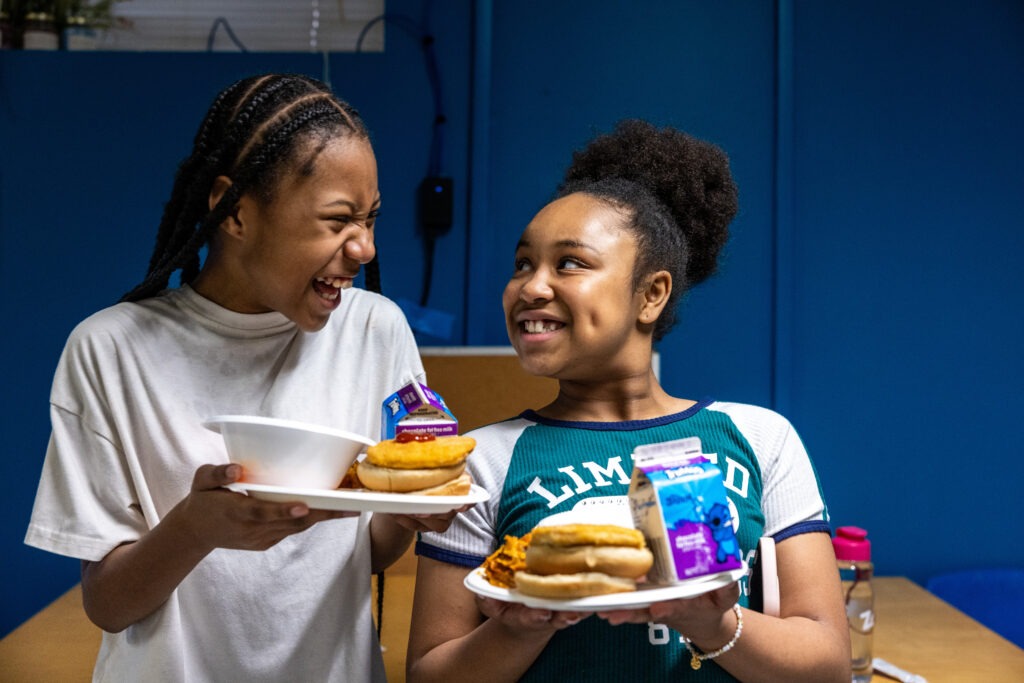
Photos: Activity Zone students receiving afterschool meal, Eduardo Hererra Diaz- Program Manager Jubilee, Activity Zone students with meal
Photos by Alyssa Schukar for Capital Area Food Bank